RISE
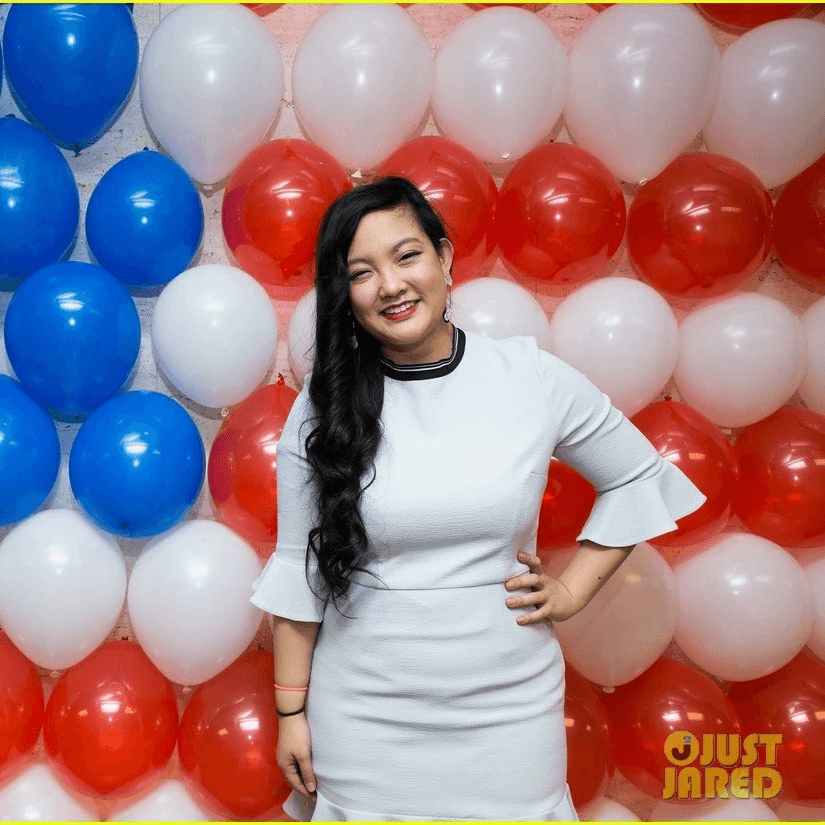
In 2015, Amanda Nguyen approached me with a problem. She'd written legislation that would give sexual assault survivors basic protections, but she needed eyeballs, petition signatures, and congressional support. She thought comedy might be a path forward. The challenge: how do you make comedy about sexual assault laws? And how do you turn that into real action?
Year
2015
Role
Executive Producer
Timeline
4 weeks (per video)
Finding the Right Creative Risk
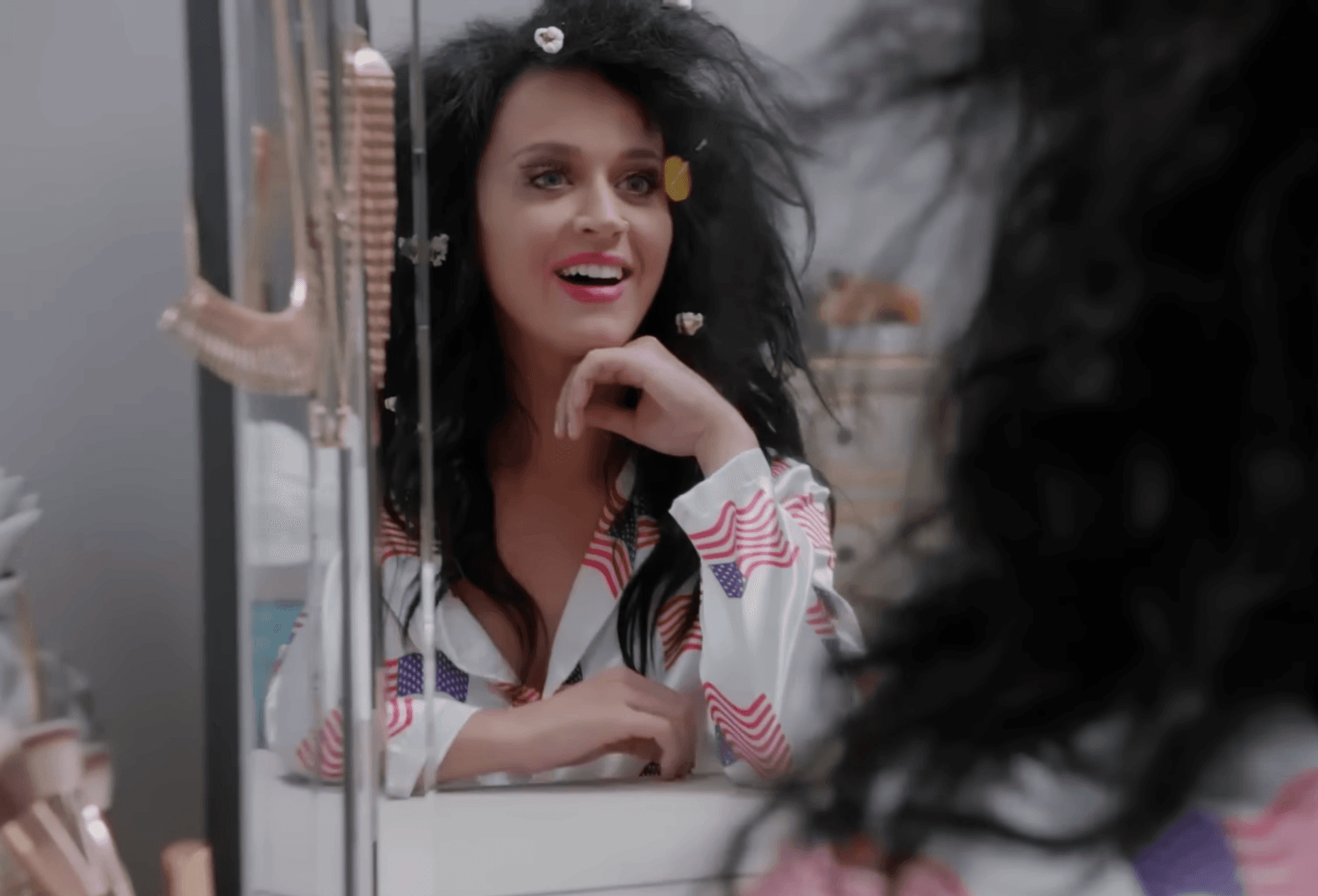
In 2015, activist Amanda Nguyen had written the Sexual Assault Survivor's Bill of Rights, a draft law that would give survivors basic protections on a federal level, like the right to preserve their rape kit evidence and access their own case files. She had a Change.org petition with a few hundred signatures and no congressional sponsors. She needed help getting attention, and she came to Funny Or Die. The challenge was tricky: how do you make comedy about sexual assault that doesn't make survivors uncomfortable or turn them into the joke? We needed to be punchy enough to get attention, but smart enough to get it in the right way. I ran a writers’ room at Funny Or Die. We landed on a sharp, unexpected concept: supervillains pitch plans for world destruction, but even they are horrified when one starts describing America's actual sexual-assault laws. It was a risk. This concept, handled incorrectly, could go wrong fast. But every joke was carefully aimed at the system, not the survivors. I worked through the concept and script with Amanda, making sure survivors could watch it and feel seen, not mocked. If they could laugh at it, we'd succeeded. I had to trust Amanda to guide me on what would resonate with her community, because I wasn't the audience; they were.
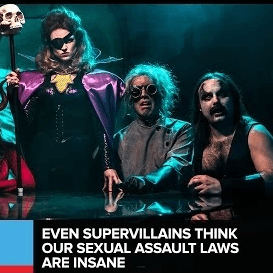
From Federal Law to State-by-State Change
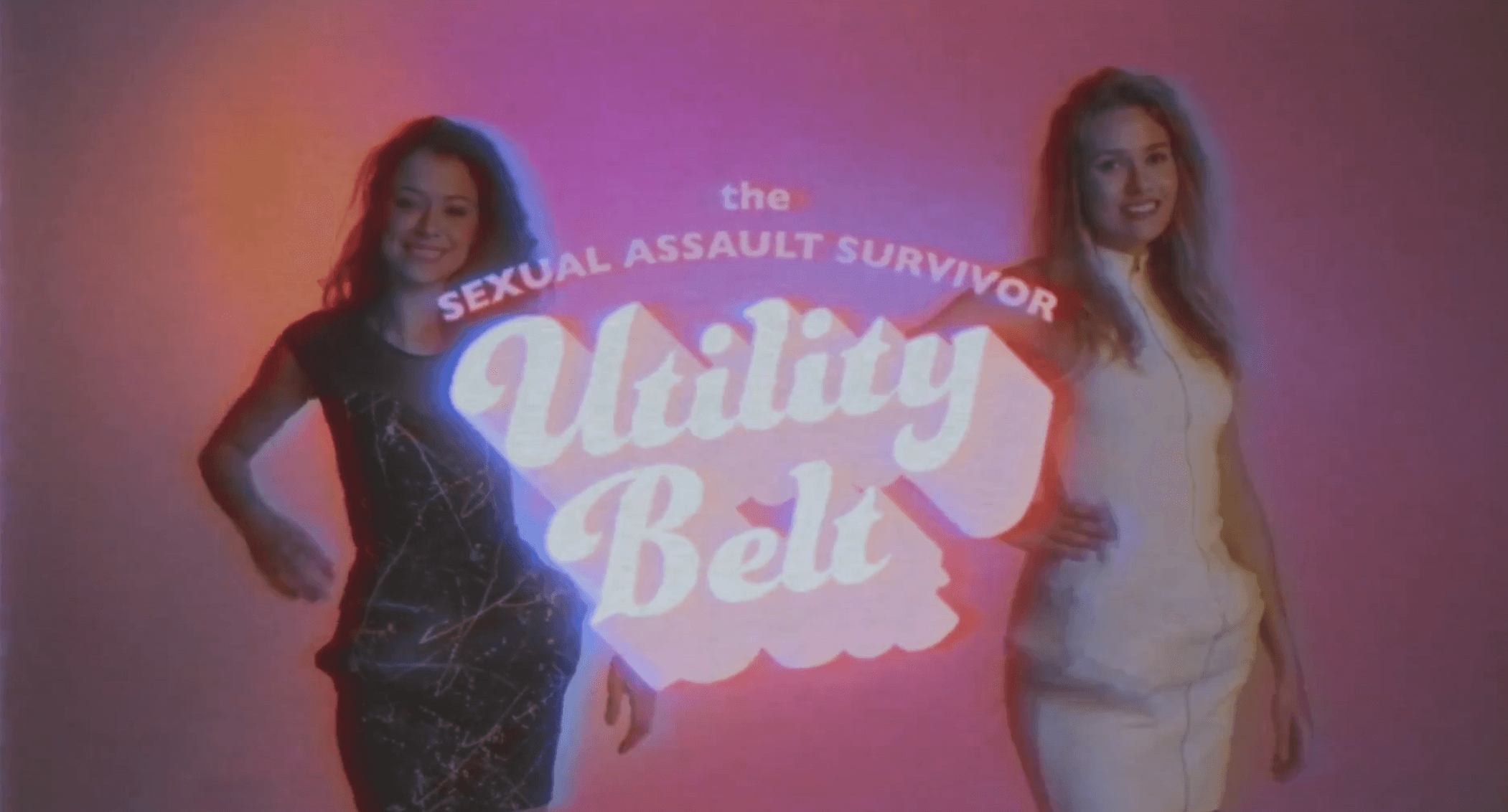
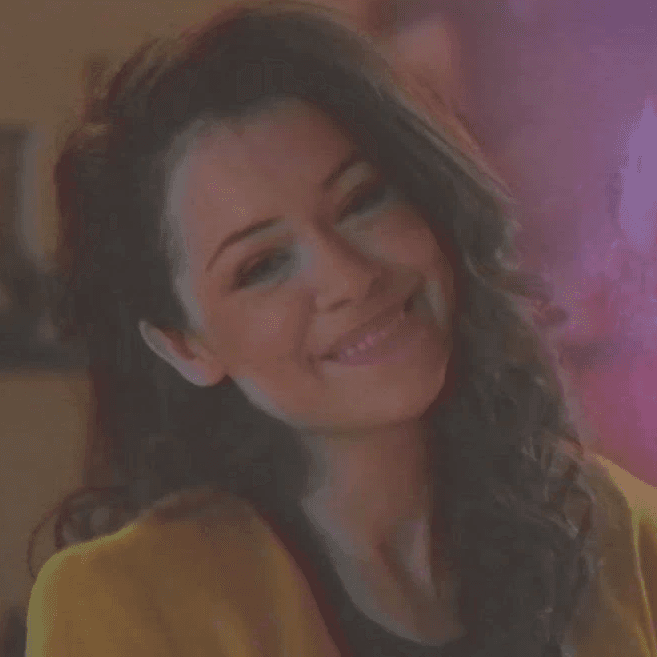
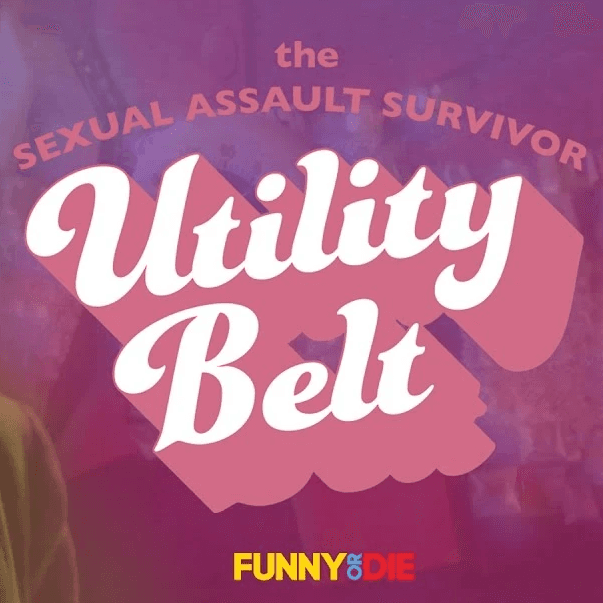
The video launched, and within weeks, the petition went from a few hundred signatures to over 100,000. What's more, Amanda secured two congressional sponsors. A year later, the bill passed both houses of Congress unanimously, becoming only the 17th bill in modern history to do so. But the work wasn't done. The federal law only covered federal cases, and most sexual assaults are prosecuted at the state level. In essence, Amanda needed to pass 50 more laws, and she couldn't do that alone. So we partnered again to continue to drive engagement with her organization. We leveraged our momentum to land Tatiana Maslany, who was filming Orphan Black in Toronto. On set in Toronto, I produced a second video: a fake advertisement for the Sexual Assault Survivor's Utility Belt. It drove another 800,000 views across all platforms.
Comedy as a Tool for Change
The videos didn't just raise awareness; they catalyzed action. In the years following, Amanda's organization helped pass dozens of state laws. She was nominated for the Nobel Peace Prize in 2017. I didn't write the legislation or lobby Congress. That was all Amanda. But I understood how to take a serious issue and make it accessible without diminishing it. I knew how to find the right creative risk and execute it in a way that respected the people it was meant to serve. Comedy became a tool for change, and the results speak for themselves.