XBOX
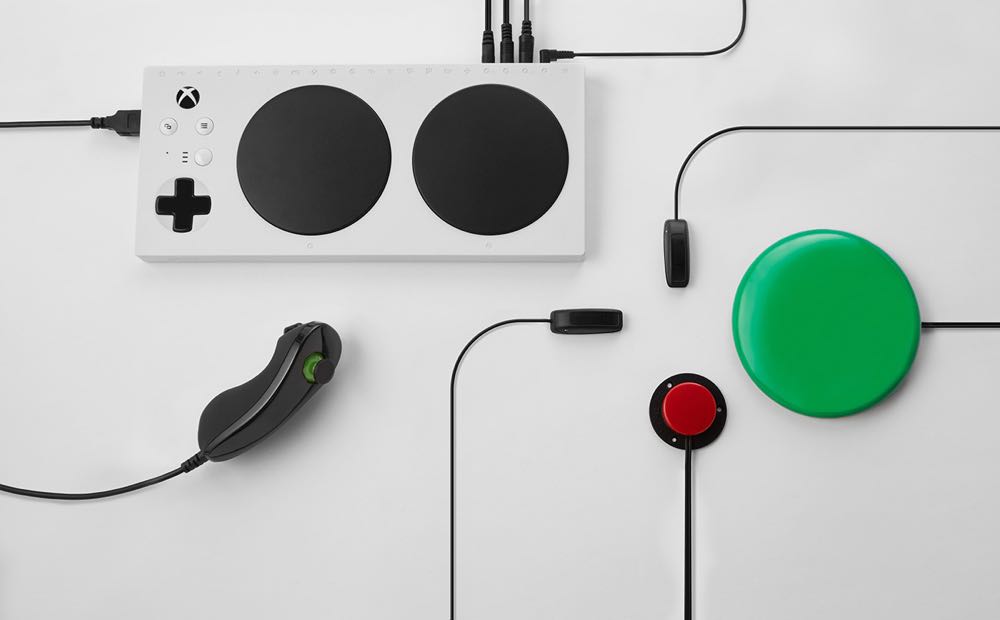
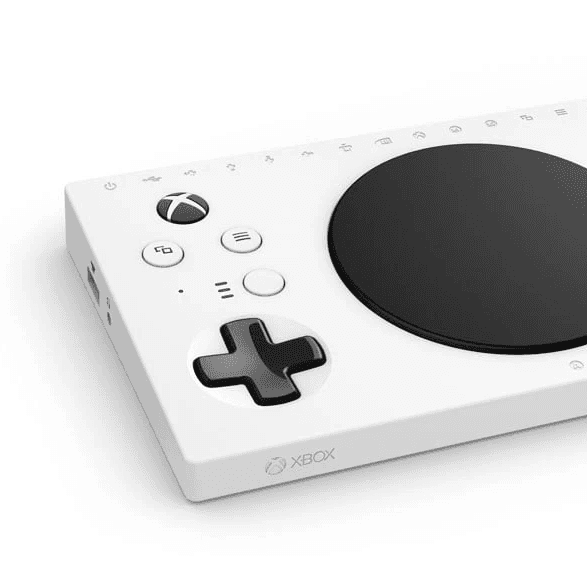
In 2018, Xbox was preparing to launch the Xbox Adaptive Controller, a groundbreaking product designed to make gaming accessible to players with disabilities. Microsoft had already created an emotional Super Bowl spot that won awards. But when the product's general availability date approached, I knew that ad wouldn't work for the audience we actually needed to reach: the disabled community itself.
Year
2019
Role
Director, Producer, Co-Writer, Editor
Timeline
4 weeks
Understanding the Real Audience
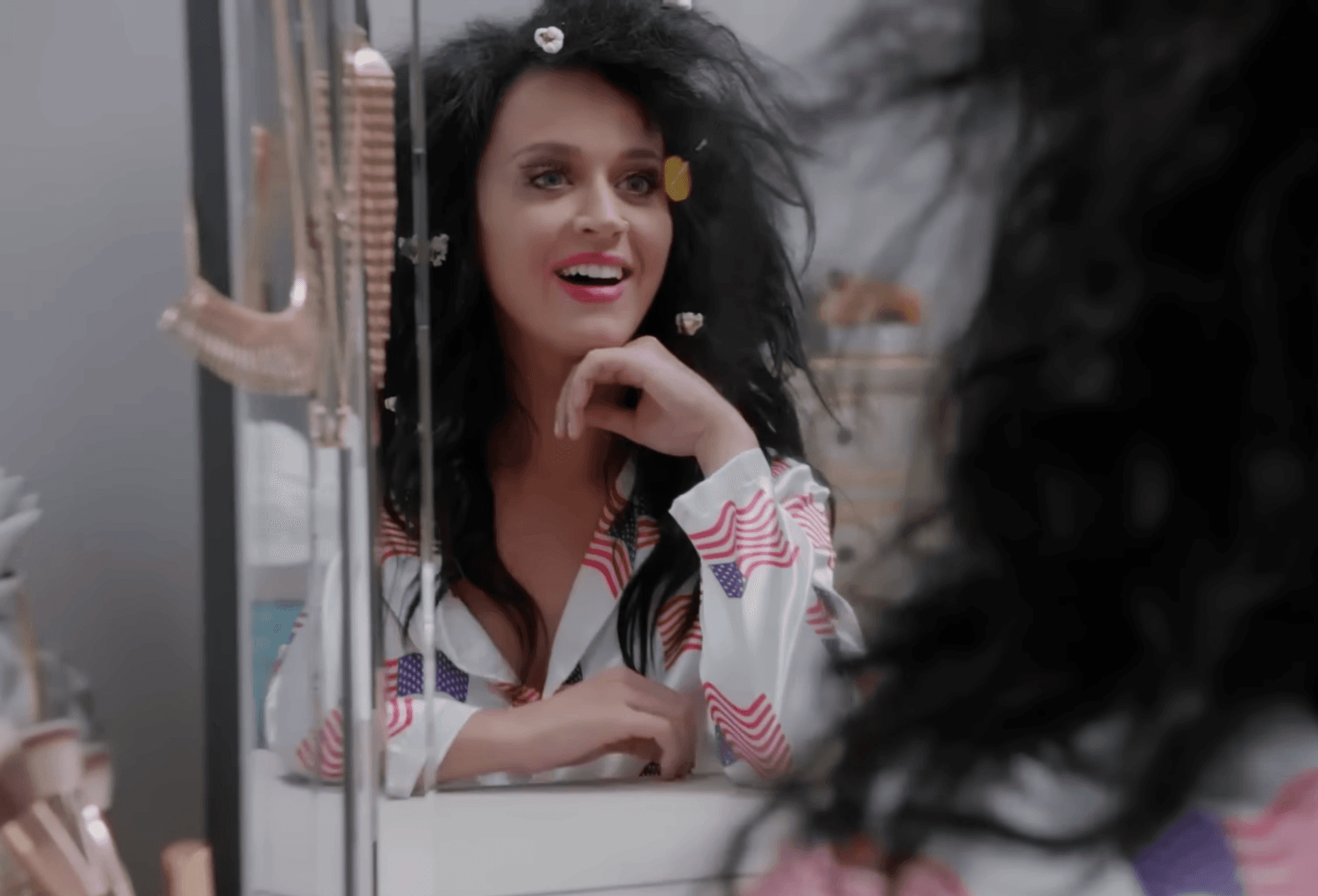
By the time I was approached about the Xbox Adaptive Controller, Microsoft's Global Ads team had already created an emotional, tear-jerking Super Bowl spot featuring kids with disabilities and their parents talking about inclusion in gaming. It won awards. It got millions of views. And when the product's general availability date approached, the general instinct was to rerun it. But I pushed back. The Super Bowl spot was something to be proud of, for sure, but the audience for this moment was different. That ad was designed to build awareness and goodwill with a broad audience. Now we needed to drive purchase decisions among the disabled community itself. And based on conversations with community members, I knew that audience would balk at being the subject of another tear-jerking, inspirational piece of content. We needed a different approach to break through. I reached out to Zach Anner, a comedian, writer, and influencer with cerebral palsy whose work I knew from the LA comedy scene. I got on the phone, briefed him on the product, and asked a simple question: "What would you do with this?" His answer: "Finally beat my college roommate at a video game." It was so obvious, so simple, and so fun. I asked if I could film it, and the video was born.

Collaborating With the Community
Together, Zach and I developed a loose framework, but we left lots of room and let Zach and his roommate's natural friendship drive the moment. I was off-camera the whole time, suggesting lines and beats as we went, but the authenticity came from them. The tone was a risk. Comedy isn't the default for a product aimed at the disabled community, and there were internal concerns. But Zach's involvement gave us credibility. He was from the community, and he stood behind every joke. Zach's voice helped us hold the line on what was important. And we prioritized Facebook, which was often overlooked by Microsoft as a company, as it was an existing gathering spot for this community. What made the video work was what we didn't do. At no point does the video reference disability. The video is not inspirational. It's not emotional. It's just two friends trash-talking and competing, with one of them using a product that levels the playing field. The inclusion is celebrated without being pointed out.

A Viral Success
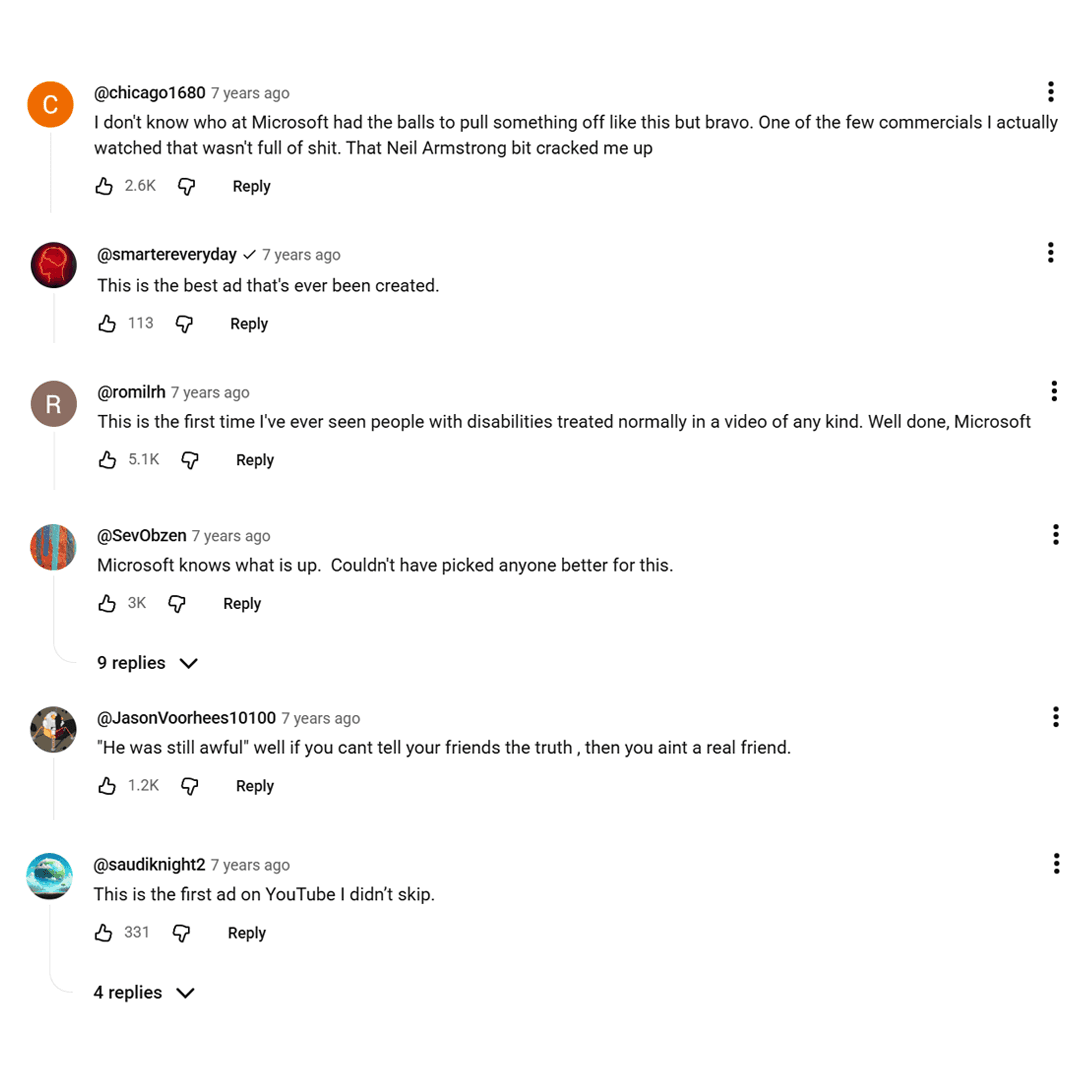
The strategy paid off: the video hit over 1 million organic views on Facebook in the first 24 hours. Internally, it was dubbed "Microsoft's first viral video." To date, it's been viewed over 3 million times, including a run as a wildly successful paid ad on YouTube. I used comedy in a place where it might be considered risky, but I listened to the community to know where the lines were and how to aim the jokes correctly. I was once told, "No content about us without us," and I stand by that mantra. I worked with Zach to ensure it was his perspective that led. And the result was something that resonated because it respected the audience. Shortly after the video launched, it was shown to the entire marketing organization by Microsoft's CMO at the time. Once it had concluded, he said to the group, "Thirty seconds into this video, I knew I was going to fire whoever made it. But by the end, I realized it was the best piece of marketing I'd seen us do in years."